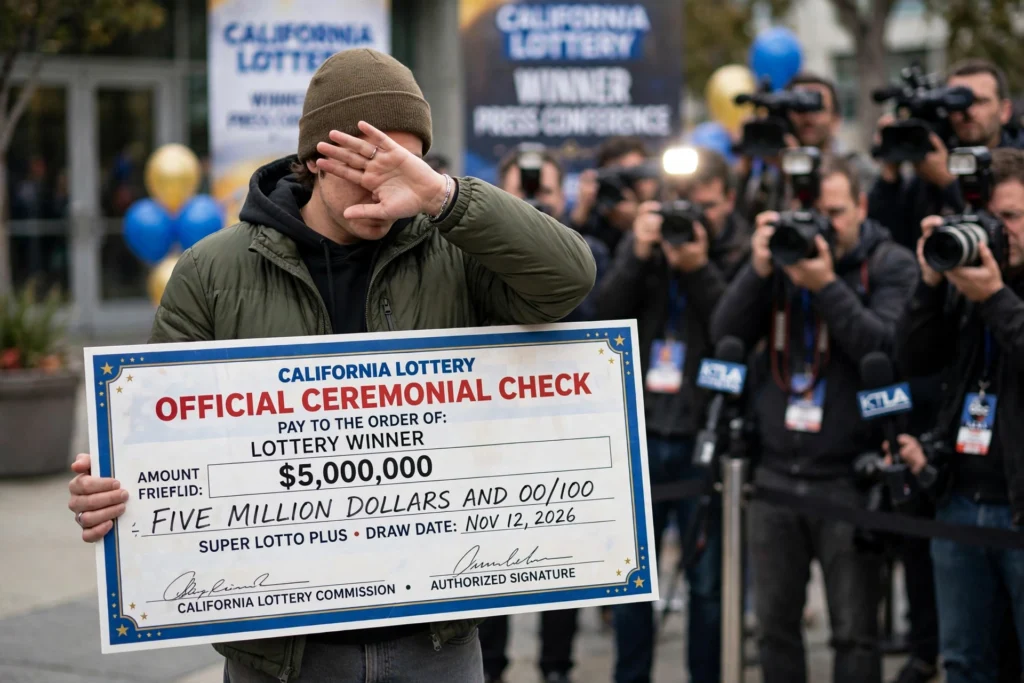
Lottery winner privacy laws decide the first thing that happens after the best day of your life: whether the whole world gets to know your name. In the United Kingdom, most of Europe and Australia, the choice is yours — you can collect a jackpot and never appear in public. In most of the United States and in Canada, the opposite is true: your name, your town and sometimes your photograph are published as a condition of being paid. This guide compares lottery winner privacy laws by country, explains the trusts and legal structures winners use to protect themselves, and sets out what to do before you claim. This is general information, not legal advice — privacy laws change, so check the current rules with the lottery and a local lawyer before you claim a prize. You must be 18 or over to play the lottery in most countries — please play responsibly.
Table of Contents
- Lottery Winner Privacy Laws at a Glance
- United States: A Handful of Anonymous States
- Canada: Publicity Is Part of the Claim
- United Kingdom and Europe: The Winner’s Choice
- Australia and New Zealand: Privacy Is Encouraged
- China and Asia: Masks and Discretion
- Trusts, LLCs and Lawyers: How Winners Protect Their Identity
- Watch: Legal Ways Lottery Winners Stayed Anonymous
- Frequently Asked Questions
- Conclusion
Lottery Winner Privacy Laws at a Glance
| Country / region | Can a jackpot winner stay anonymous? | The rule in brief |
|---|---|---|
| United Kingdom | Yes — winner’s choice | Winners choose full privacy or publicity; the lottery publishes nothing without consent. |
| Europe (EuroMillions countries) | Yes — winner’s choice | Winners in France, Spain and most EuroMillions countries can remain anonymous. |
| Australia | Yes — winner’s choice | Winners can choose anonymity; officials encourage keeping the win quiet. |
| New Zealand | Yes — winner’s choice | Winners can choose to remain anonymous. |
| China | Yes — winner’s choice | Winners may stay anonymous; officials encourage it, and winners often wear masks for photos. |
| United States | Only in some states | A small number of states allow anonymity; most require the winner’s name to be published. |
| Canada | Generally no | Publicity is a condition of payment in most provinces; refusal can mean the prize is withheld. |
United States: A Handful of Anonymous States
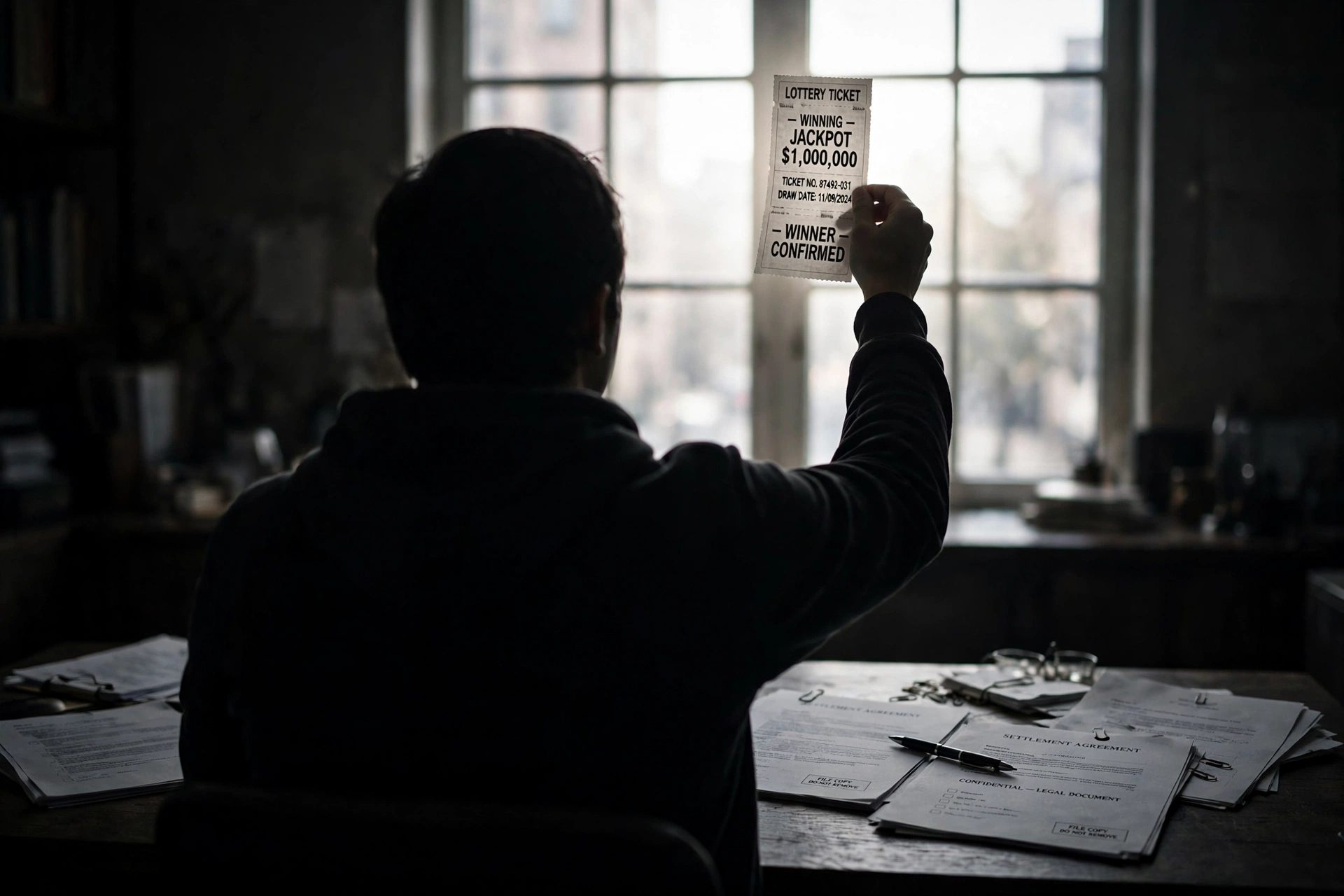
The United States has the strictest lottery winner privacy laws of any major lottery country — and they change from state to state, because each state runs its own lottery. In most states, a winner’s name is a public record, and the lottery is required to publish it. Only a small number of states allow winners to remain anonymous: Delaware, Kansas, Maryland, North Dakota, Ohio, South Carolina and Texas are the states most commonly listed as allowing full anonymity. In Delaware, the law expressly says the lottery office will not disclose a winner’s name or address unless the winner gives permission.
Several other states offer partial privacy. Arizona allows anonymity for wins of $100,000 and over. Arkansas allows winners of $500,000 or more to stay confidential for three years. Georgia and Illinois allow anonymity for prizes of $250,000 or more. Florida allows winners of $250,000 or more to be exempt from public disclosure for 90 days after claiming. Massachusetts has a “Right to Publicity and Anonymity” law that lets winners stay anonymous, though the lottery still publishes the prize amount and the date of the claim. And in states such as California, there is no anonymity at all — the California Public Records Act means the winner’s name and location must be disclosed. Because the list changes as legislatures pass new laws, always check the current rules for the state where you bought the ticket. For more on the American picture, see our guide to whether lottery winners can stay anonymous.
Canada: Publicity Is Part of the Claim
Canada is the toughest major lottery country for winners who want privacy. In most provinces, publicity is a condition of payment: the lottery corporation requires winners of major prizes to allow their name, photograph and city to be published, and a winner who refuses consent can have the prize withheld. The British Columbia Lottery Corporation’s policy says that if a prize claimant refuses consent to publish their personal information, a prize may be withheld, and requests for anonymity are considered case by case but exceptions are rare. Ontario, Alberta and Quebec have similar requirements. In 2014, a British Columbia winner of a $50 million Lotto Max prize fought a legal battle to stay anonymous, and lost — the court upheld the lottery’s right to require publicity. Small wins under $1,000 are generally not publicised, but for a jackpot, Canadian winners should expect to go public. There is one small softening: in January 2026, the BCLC stopped publishing winners’ full last names in media releases, using a first name and last initial instead.
United Kingdom and Europe: The Winner’s Choice
In the United Kingdom, lottery winner privacy laws give the winner the choice. A jackpot winner can choose complete privacy, and if they do, the National Lottery will not even release details about where the ticket was bought. Winners who choose publicity reveal only what they agree to — typically their age, their location and sometimes their occupation. The same freedom applies across most of Europe: EuroMillions winners in France, Spain and the other participating countries can collect their prize while remaining anonymous. This is one of the reasons European lottery winners almost never become public figures against their will, and it is also why European winners rarely appear in the “where are they now” stories that follow American winners.
Australia and New Zealand: Privacy Is Encouraged
Australia is the friendliest major lottery country for winners who value privacy. Winners can choose to remain anonymous, and lottery officials actively encourage them to keep the news quiet to avoid exploitation — a striking contrast with the United States, where winners are often thrown into a media circus. In New Zealand, winners can also choose anonymity. The practical advice Australian officials give is simple: tell almost nobody, take your time, and get professional advice before you claim. That advice is worth following everywhere, but in Australia the law actually lets you follow it.
China and Asia: Masks and Discretion
In China, lottery winners have the choice to remain anonymous or go public, and lottery officials encourage anonymity for the sake of safety. Chinese jackpot winners are famous for collecting their prizes wearing masks and costumes — cartoon characters, animal heads, sunglasses — so that even the official winner’s photograph reveals nothing. It looks eccentric, but it is a sensible response to the same problem winners face everywhere: a public jackpot makes you a target for scams, begging letters and worse. Similar discretion is common across much of Asia, where lotteries generally do not force winners into the spotlight.
Trusts, LLCs and Lawyers: How Winners Protect Their Identity
Where the law allows it, winners use legal structures to add a layer of privacy. A lottery trust — where the trust, not the individual, claims the prize — is the most common tool, and it is also useful for tax and estate planning. In the United States, some winners claim through a limited liability company (LLC) instead of in their own name. The most famous cases show how far winners will go: a New Hampshire woman who won a $559.7 million Powerball jackpot in 2018 went to court to protect her identity and ultimately claimed through a trust as “Jane Doe”. A Maine winner claimed a $1.35 billion Mega Millions jackpot through an LLC. And the winner of a $1.537 billion Mega Millions jackpot in South Carolina remained anonymous under that state’s law. None of these tools works everywhere — in California, for example, a trust cannot hide a winner’s identity, and in Canada the lottery can refuse to pay a winner who will not go public. Read our full guide to what a lottery trust is and whether winners should use one, and remember that the best time to protect your identity is before you claim: sign the ticket, photograph it, tell almost nobody, and speak to a lawyer who specialises in lottery wins before you contact the lottery.
Watch: Legal Ways Lottery Winners Stayed Anonymous
This video explains the privacy strategies real jackpot winners have used — anonymity laws, trusts, LLCs, attorneys and confidentiality windows — with real cases from the United States:
Frequently Asked Questions
Which countries let lottery winners stay anonymous?
The United Kingdom, most EuroMillions countries in Europe, Australia, New Zealand and China all allow jackpot winners to remain anonymous. In the United States it depends on the state, and in Canada winners generally cannot stay anonymous.
Which US states allow lottery winners to stay anonymous?
Delaware, Kansas, Maryland, North Dakota, Ohio, South Carolina and Texas are the states most commonly listed as allowing full anonymity. Several others, including Arizona, Arkansas, Georgia, Illinois, Florida and Massachusetts, allow anonymity above a prize threshold or for a limited time.
Can a lottery winner stay anonymous in Canada?
Generally no. In most Canadian provinces, publicity is a condition of payment, and a winner who refuses to allow their name and photograph to be published can have the prize withheld. Exceptions are rare and decided case by case.
Can a lottery winner stay anonymous in the UK?
Yes. UK National Lottery winners choose whether to go public or stay completely private, and the lottery will not release any details without the winner’s consent.
Does a trust hide a lottery winner’s identity?
Sometimes. In states and countries that allow it, claiming through a trust or an LLC can keep the winner’s name out of the public record. But a trust cannot override the law: in California and Canada, for example, the winner’s identity must still be disclosed.
What should a lottery winner do first to protect their privacy?
Sign the ticket, photograph it front and back, store it safely, tell almost nobody, and speak to a lawyer experienced with lottery wins before contacting the lottery. The privacy options available to you depend on where you bought the ticket, so get advice before you claim.
Conclusion
Lottery winner privacy laws draw a sharp line across the world: in the UK, Europe, Australia, New Zealand and China, a jackpot winner can collect the money and disappear back into ordinary life; in most of the United States and in Canada, the price of the prize is your name in the news. If privacy matters to you, the time to think about it is before you buy the ticket — know the rules where you play, and if you win, get legal advice before you claim. A trust, an LLC or a good lawyer can help where the law allows, but no structure can beat a law that requires publicity. And remember that a win brings tax questions too — see our guide to lottery winnings tax explained. The lottery is entertainment for adults: you must be 18 or over to play, so please play responsibly and only spend what you can afford to lose.
Related guides: Can Lottery Winners Stay Anonymous? · What Is a Lottery Trust? Winners’ Guide · Lottery Winnings Tax Explained
Sources: The National Lottery (UK, official) · UK Gambling Commission · Powerball (official)