Every Tuesday and Friday evening, millions of people across nine European countries check the same set of numbers. EuroMillions is the transnational lottery that turned lottery jackpots into a continent-wide event, with starting jackpots of €17 million and a cap that can reach €250 million. If you have ever wondered how the game actually works — how numbers are drawn, how the prize tiers are structured, and how it differs from country to country — this guide walks you through it in plain language.
What is EuroMillions?
EuroMillions is a transnational lottery launched in February 2004 by the lottery operators of France, Spain and the United Kingdom. The first draw took place on 13 February 2004 in Paris. Six more national lotteries — in Austria, Belgium, Ireland, Luxembourg, Portugal and Switzerland — joined for the draw of 8 October 2004, bringing the total to nine participating countries. That same pool of players is what makes EuroMillions jackpots so large: instead of one country’s ticket sales funding the prize, nine countries contribute to the same prize fund.
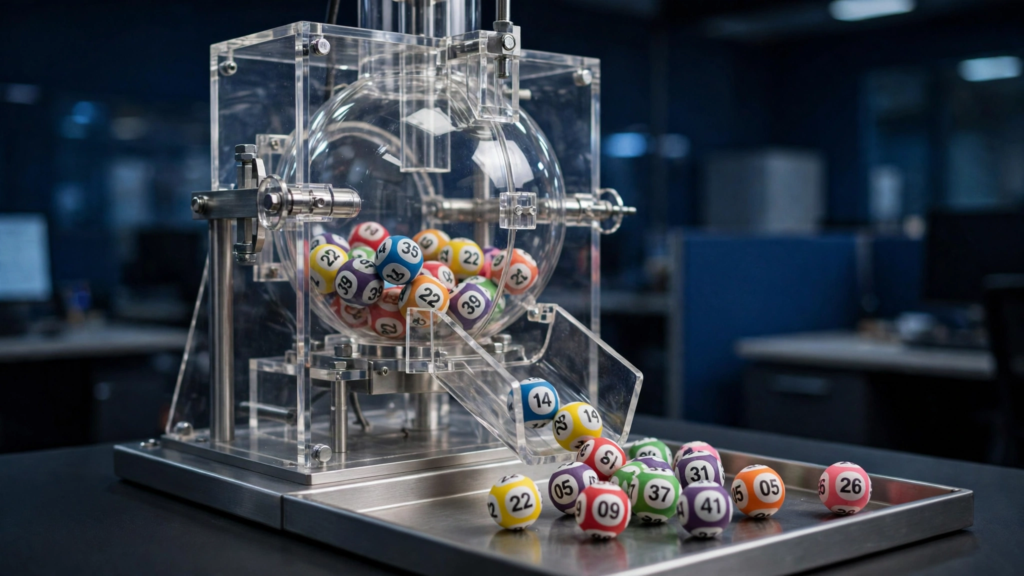
The draws are held in Paris, using draw machines built by French manufacturer Ryo Catteau — one machine for the main numbers and a separate machine for the Lucky Stars. Results are published by each national operator shortly after the draw, and every country’s sales contribute to a single shared jackpot.
How the game works: the numbers you pick
Each EuroMillions line consists of two sets of numbers picked from two separate pools:
- Five main numbers chosen from 1 to 50.
- Two Lucky Stars chosen from a separate pool of 1 to 12.
To win the jackpot, a ticket must match all five main numbers plus both Lucky Stars. The Lucky Stars were originally drawn from a pool of 11 numbers; in September 2016 the pool grew to 12, which pushed the jackpot odds from about 1 in 117 million to the current figure. This two-pool structure is what separates EuroMillions from single-pool games like many national lotteries: you need seven correct numbers across two draws, not six from one.
The 13 prize tiers
One of the friendliest features of EuroMillions is how many ways there are to win. The game pays out across 13 prize tiers. You do not need anywhere near a perfect line to get something back:
- Jackpot tier: match 5 main numbers + 2 Lucky Stars — odds of about 1 in 139,838,160.
- Second tier: match 5 main numbers + 1 Lucky Star — odds of about 1 in 6,991,908.
- Third tier: match 5 main numbers only — odds of about 1 in 3,107,515.
- Mid tiers: combinations such as 4 + 2 Stars or 4 + 1 Star, with odds ranging from about 1 in 621,503 down to about 1 in 31,075.
- Lower tiers: you can win a prize for matching as few as two main numbers. The overall chance of winning any standard prize is about 1 in 13.
Only the jackpot is a fixed-style headline amount driven by rollovers. The lower tiers pay out as shares of the prize pool, so the exact amounts vary from draw to draw depending on sales and how many winners share each tier.
Draw days and times
EuroMillions is drawn twice a week, every Tuesday and Friday. The central draw takes place in the evening in Paris, around 21:05 Central European Time. If you are following from a different time zone, convert that carefully — and remember that your national operator’s ticket sales deadline is always earlier than the draw itself. The cutoff is not identical across all nine countries, so the safest habit is to watch the countdown or closing time shown by the national operator that will actually issue your ticket.
Ticket prices and national extras
A standard EuroMillions line costs €2.50 in eurozone countries, £2.50 in the UK, and CHF 3.50 in Switzerland. Those prices have been stable since the last round of increases in 2016. What makes EuroMillions interesting is that each participating country bundles its own national extras into the game:
- France: every entry automatically includes the My Million raffle, which awards an independent €1,000,000 to one French ticket per draw.
- Spain: every bet includes the El Millón raffle — a code of three letters and five digits, with one €1,000,000 winning code drawn per draw.
- United Kingdom: entries include the Millionaire Maker raffle, which creates guaranteed UK millionaires on draw nights.
- Ireland: players can add the optional Ireland-only Plus game for €1.00 extra per line.
A price quoted in one country should never be converted and presented as the official price in another. The operator that issues your ticket sets the price.
How to play through official retailers
EuroMillions tickets are sold by the licensed national lottery operator in each participating country — for example, the FDJ in France, SELAE in Spain, and the National Lottery operator in the UK. The standard, safe way to play is one of these:
- An authorised retail outlet in a participating country — the corner shops, kiosks and supermarkets licensed by that country’s lottery.
- The national operator’s own website or app, where you register an account directly with the official lottery.
EuroMillions is only sold in its nine participating countries. Be cautious of websites that claim to sell “official” EuroMillions tickets from outside those countries; some are legitimate courier or betting services with their own terms and insurance models, but they are not the national lottery itself, and their terms can differ significantly. If you want the real ticket with the real prize claim process, buy it from the licensed operator of a participating country.
How jackpots grow: starting amount, rollovers and the cap
The EuroMillions jackpot starts at €17 million. When no ticket matches all seven numbers, the jackpot rolls over and grows for the next draw. That cycle continues until someone wins it — up to a point. The jackpot is capped at €250 million. When the cap is reached, the top prize can stay at that level for a limited number of draws; if it is still not won, the excess money is distributed to winners at the next prize tier down, which is why a capped jackpot can still produce enormous second-tier payouts.
A few times a year, the game also holds Superdraws, where the jackpot is guaranteed to start at a boosted minimum — historically around €130 million — regardless of the previous draw’s outcome. These are announced in advance and tend to generate the biggest ticket sales of the year.
Odds in perspective
The jackpot odds of 1 in 139,838,160 look steep, but they are actually shorter than those of the giant American games — Powerball’s jackpot odds are about 1 in 292 million and Mega Millions’ about 1 in 302 million. That is one reason EuroMillions jackpots are won more often than American billion-dollar jackpots. The trade-off is the smaller player pool and smaller absolute prizes. And with 1-in-13 odds of winning any prize, a EuroMillions ticket returns something more often than most lottery tickets do — though “something” is usually a small prize, not life-changing money.
Taxes and payouts: the general picture
EuroMillions prizes are paid as a single lump sum, and in most participating countries the winnings themselves are tax-free at the point of payment. The exceptions are Switzerland, Spain and Portugal, where tax rules apply. Rules can change and personal tax situations vary, so treat anything you read online as a starting point and confirm the current position with the national operator or a qualified adviser in your country.
Frequently asked questions
Which countries play EuroMillions?
Nine: Austria, Belgium, France, Ireland, Luxembourg, Portugal, Spain, Switzerland and the United Kingdom. The game launched in 2004 with just France, Spain and the UK.
What days are the EuroMillions draws?
Every Tuesday and Friday evening. The central draw happens in Paris at around 21:05 CET, with national sales cutoffs earlier in the evening.
How much does a EuroMillions ticket cost?
€2.50 per line in eurozone countries, £2.50 in the UK, and CHF 3.50 in Switzerland. National add-ons such as Ireland’s Plus game may cost extra.
What are the odds of winning the EuroMillions jackpot?
About 1 in 139,838,160 for matching all 5 main numbers plus both Lucky Stars. The overall odds of winning any prize are about 1 in 13.
Can I play EuroMillions if I do not live in Europe?
Official tickets are only sold by the licensed operators of the nine participating countries, generally requiring you to be physically present there or to use that operator’s own registered online service where it is legally available. Be cautious of third-party sites claiming to sell official tickets from abroad — they operate under their own terms.
Conclusion
EuroMillions earned its reputation by doing one thing very well: pooling nine countries’ players into a single, twice-weekly event with a genuinely huge jackpot and 13 ways to win something. The format — 5 numbers from 50 plus 2 Lucky Stars from 12 — is simple to learn, the draws are reliably scheduled, and the national extras give each country its own flavour of the game. Understand the odds, buy only from official sources, and treat every ticket as entertainment, not an investment.
You must be 18 or over to play. Please play responsibly — set a spending limit and never chase losses.