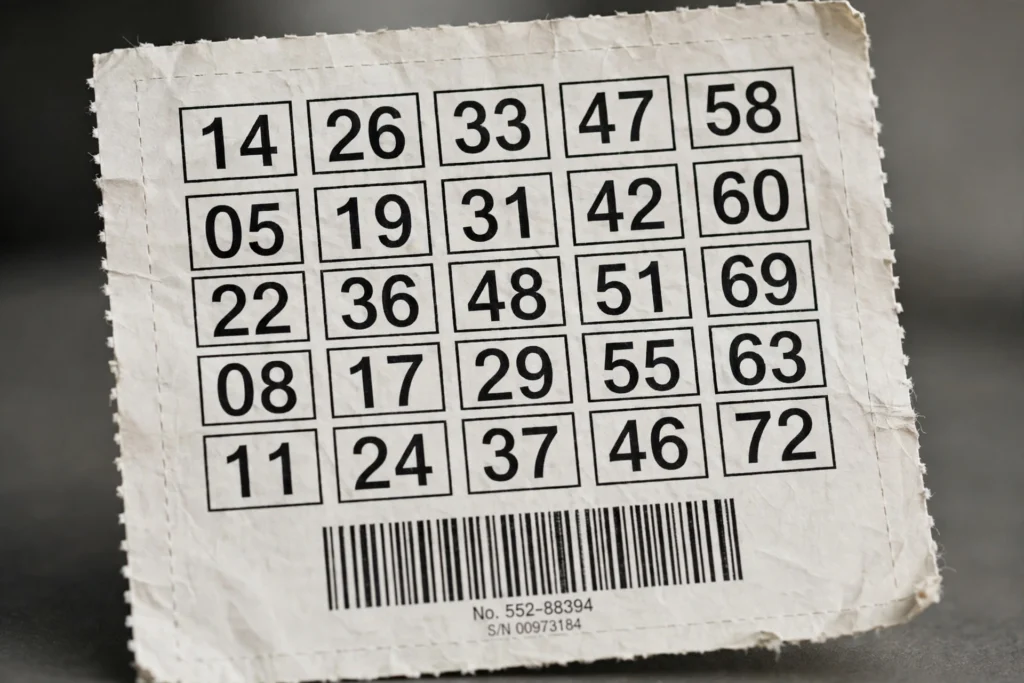
Buying a lottery ticket is easy. Reading one properly is a skill most players never stop to learn — and it matters. A ticket holds more information than just your chosen numbers. It tells you which game you entered, which draw you are playing in, whether you added any extras, and how the retailer or lottery terminal will validate a prize. Misreading any of these details can mean checking the wrong draw, missing a multiplier prize, or even throwing away a winning ticket.
This guide walks through every part of a typical lottery ticket, explains what each code and symbol means, and shows you how to double-check your ticket before and after the draw. No winning numbers are listed here — this is purely about understanding the ticket in your hand.
18+ only. Play responsibly and only spend what you can afford to lose.
Why Your Ticket Is More Than Just Numbers
Your lottery ticket is a legal bearer document in many jurisdictions. Whoever holds it can generally claim the prize attached to it, which is why lotteries print so much verification information on it. The numbers you picked are only one part of the story. The ticket also records the transaction itself: when and where it was bought, which terminal printed it, and a unique serial or barcode that links it to the lottery’s central system.
Think of it this way: your chosen numbers are your entry, but the barcode and serial number are the proof of that entry. If the two ever disagree — for example, if a terminal misprints — the central system record is what the lottery will rely on. That is why keeping the physical ticket safe, and checking it against the official record, is so important.
The Main Parts of a Lottery Ticket
Ticket layouts vary by lottery and country, but most share the same core elements. Here is what to look for, from top to bottom.
1. Lottery and Game Name
At the top of the ticket you will usually see the name of the lottery operator and the specific game, for example a national lotto, a state lotto, or a daily numbers game. This matters more than people think: many players buy tickets for more than one game, and game names can sound similar. Always confirm the game name matches the draw you intend to check. Checking a ticket against the wrong game’s results is one of the most common reasons players wrongly conclude they have lost.
2. Your Chosen Numbers (Plays or Lines)
The heart of the ticket is the panel of numbers. Each row, often called a play, line, or board, represents one entry into the draw. A typical lotto line has five or six main numbers plus, in some games, one or two bonus or special numbers printed separately. If you bought multiple lines, each is printed as its own row.
If you used a Quick Pick or random selection, the terminal chose these numbers for you — they are printed in exactly the same way as hand-picked numbers, and they carry the same odds. There is no visual difference on the ticket between a Quick Pick and a self-selected line, and neither has any advantage in the draw itself.
3. Draw Date and Draw Number
Every ticket states the date of the draw it is valid for, and sometimes a draw number as well. This is critical. A ticket bought on a Friday may be valid for Saturday’s draw, or it may be an advance play for a draw days or weeks ahead. Never assume: read the draw date printed on the ticket, and only check results for that exact date. Tickets are not transferable between draws, and a ticket for a future draw cannot win in an earlier one.
Some tickets cover multiple draws — for example, if you bought a multi-draw play. In that case the ticket will show a range of draw dates or a number of consecutive draws. Keep such tickets until the last draw in the range has taken place, because a later draw in the sequence could still win.
4. Add-Ons: Multipliers, Power Plays, and Extra Balls
Many games offer optional extras that cost more per line. Common examples include a multiplier that increases non-jackpot prizes, or an extra ball feature. If you paid for an add-on, it should be printed clearly on the ticket — usually next to each line or in a summary section. If you cannot see the add-on you paid for, ask the retailer to check before you leave the shop, because it is far harder to correct after the draw.
Add-ons only apply to the lines they are attached to. If you bought five lines but added a multiplier to only one, only that line’s prizes are multiplied. Read the ticket line by line rather than assuming an add-on covers the whole ticket.
5. Cost and Number of Plays
The ticket shows the total amount paid and, often, a breakdown per line. Check this against what you handed over. Pricing errors are rare, but they do happen, especially with multi-draw or multi-line purchases. A quick check at the counter saves a dispute later.
6. Barcode, QR Code, and Serial Number
Near the bottom of most tickets is a barcode or QR code, plus a long serial number printed in digits. These are the ticket’s unique fingerprint. When a retailer scans the ticket after a draw, the terminal reads this code and checks it against the central system, which returns the prize value — if any. You do not need to decode the barcode yourself, but you should make sure it is fully printed and not smudged, torn, or cut off. A damaged barcode can slow down validation, though lotteries can usually verify a ticket from its serial number as a backup.
Never share a clear photo of your ticket’s barcode or serial number publicly, especially on social media. Anyone with that information could potentially attempt to claim or interfere with the ticket before you do. If you want to share your excitement, cover the barcode and serial number first.
7. Retailer, Terminal, and Transaction Details
Many tickets print the retailer’s name or location, the terminal number, and the date and time of purchase. These details help the lottery trace a ticket if there is ever a dispute, and they help you remember where you bought it. They also matter for claim deadlines: the purchase timestamp proves the ticket was bought before the draw’s sales cut-off.
8. Claim Instructions and Expiry Date
Some tickets print a claim deadline or tell you where to claim prizes of different sizes — small prizes at any retailer, larger prizes at a claim centre or by post. If your ticket does not show an expiry date, check the official rules for your game: claim windows vary widely, from 90 days to a year or more depending on the lottery. Write the deadline on your calendar as soon as you buy a ticket you intend to keep.
Paper Tickets vs. Digital and Online Tickets
Online or app-based entries work differently. Instead of a printed ticket, you get a digital record in your account: the game, draw date, numbers, and a transaction reference. The same reading rules apply — check the game name, draw date, and add-ons carefully before confirming. One advantage of digital tickets is that the system usually checks results for you and notifies you of wins, removing the risk of misreading a paper ticket. The trade-off is that you must keep access to that account; if you lose your login, recovering the entry can take time.
Some courier-style services scan a paper ticket bought on your behalf and show you the image in an app. In that case, read the scanned ticket exactly as you would a paper one, and confirm the draw date and numbers match what you ordered.
Common Ticket-Reading Mistakes to Avoid
Checking the wrong draw date. Always match the ticket’s draw date to the results you are checking, especially with advance or multi-draw plays.
Missing a bonus number. Some games have a separate bonus ball or special number. A ticket can win a prize tier on the bonus number alone or in combination — read all numbers on the line, not just the main set.
Overlooking an add-on. A multiplier or extra feature can change a prize significantly. Confirm add-ons are printed before you leave the retailer.
Throwing tickets away too early. Keep every ticket until you have checked it against the correct draw and, for multi-draw tickets, until the final draw has passed. Small prizes are easy to miss, and second-chance draws sometimes accept non-winning tickets.
Damaging the ticket. Heat, water, and folding across the barcode can make validation harder. Store tickets flat, dry, and away from direct sunlight — and sign the back where the ticket provides a space for it, if your lottery recommends doing so.
How to Double-Check Your Ticket Step by Step
Before the draw: confirm the game name, the draw date, each line of numbers, and any add-ons. Confirm the total price matches what you paid.
After the draw: check the ticket against the official results for that exact game and date, line by line, including bonus numbers. Then, if possible, have the ticket scanned at a retailer terminal or checked in the official app — a scan catches prize tiers you might have missed by eye.
If a scan and your own reading disagree, trust the official validation process and ask the retailer or lottery operator to explain the result. Do not discard the ticket until the discrepancy is resolved.
Frequently Asked Questions
What should I do if my ticket is misprinted or torn?
Return to the retailer as soon as possible, ideally before the draw. Retailers can often void and reprint a misprinted ticket if the draw has not yet taken place. After the draw, a torn ticket may still be validated from its serial number — contact the lottery operator for guidance and do not attempt to repair the barcode yourself.
Does the order of numbers on my ticket matter?
In most lotto-style games, no. The draw selects a set of numbers, and your line wins based on how many of your numbers match, regardless of the order they are printed in. Some daily numbers games are the exception, where exact order can matter for certain play types — check your game’s rules.
Can I check a ticket without the barcode?
Yes, by reading the numbers and comparing them manually to the official results for the correct game and draw date. The barcode only speeds up validation; it does not determine whether you have won.
What happens if I lose a paper ticket?
Generally, a lost paper ticket cannot be replaced, because it is a bearer document. This is one reason digital entries appeal to some players. If you believe you bought a winning ticket and lost it, contact the lottery operator immediately with the purchase details, but be prepared for the possibility that it cannot be recovered.
Should I sign the back of my ticket?
Many lotteries recommend it. Signing helps establish ownership if the ticket is lost or disputed. Use the signature space provided and avoid writing over the barcode or serial number.
Conclusion
Reading your lottery ticket properly takes less than a minute, and it protects you from the most avoidable lottery mistakes: checking the wrong draw, missing a bonus-ball prize, overlooking an add-on, or discarding a winner. Make it a habit. Before every draw, confirm the game, date, numbers, and extras. After every draw, check line by line — then get the ticket scanned for certainty.
A ticket is a small piece of paper with a lot of information on it. Now you know how to read all of it. Keep it safe, check it carefully, and remember: 18+ only, and always play responsibly.