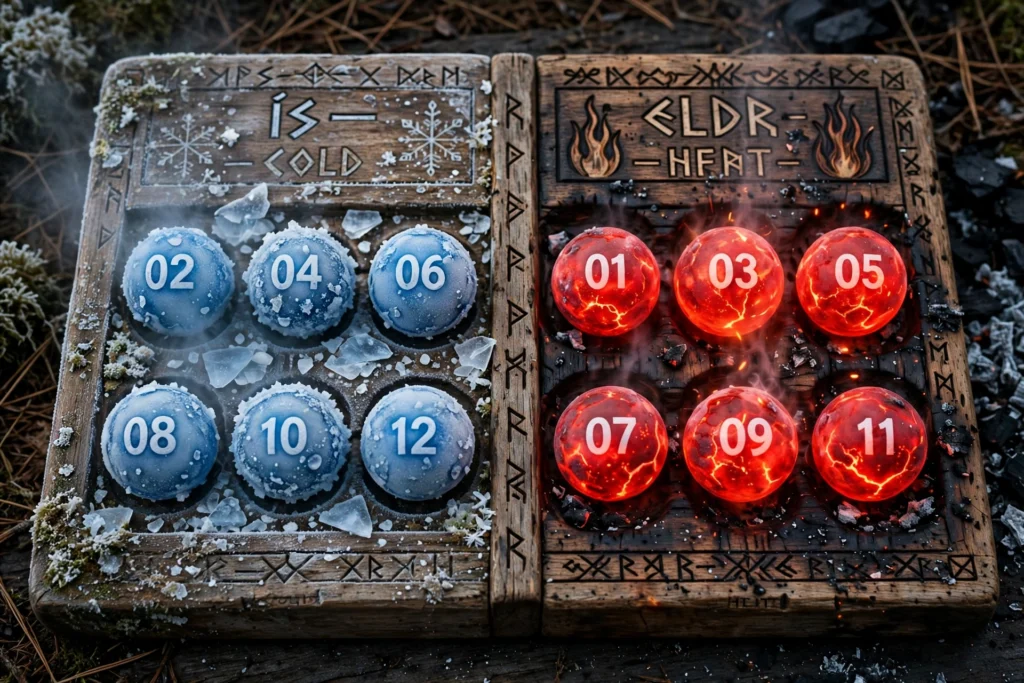
Lottery number myths and patterns explained here start with one simple fact: every draw is random. That fact sounds obvious, but it is easy to forget when you see a list of past results, a “hot” number that keeps appearing, or a pattern that looks meaningful. Human brains are built to find patterns, even when none exist. This guide explains the most common lottery number myths, why they feel convincing, and what actually happens in a random draw. Remember: only adults aged 18 or older may play the lottery in most jurisdictions, so play responsibly and treat any lottery game as entertainment, not as a way to make money.
Table of Contents
- What Does “Random” Really Mean?
- Hot and Cold Numbers
- The Gambler’s Fallacy
- Birthday Numbers and Common Picks
- Patterns on the Playslip
- Systems, Wheels, and Software
- What Actually Affects Your Chances
- Frequently Asked Questions
- Video: Watch and Learn
- Conclusion
What Does “Random” Really Mean?
In a lottery, “random” means that every combination has the same chance of being drawn as every other combination, in every draw, regardless of what happened before. A ball does not remember that it was drawn last week. A machine does not favour a number because it has not appeared for a while.
Most lotteries use either a mechanical ball machine or a certified random number generator. Both are tested, audited, and designed to remove human influence. The result is a draw that cannot be predicted from past results, no matter how carefully those results are studied.
That does not mean past results are useless for entertainment. People enjoy tracking them, discussing them, and choosing numbers based on them. It means past results do not change the odds of the next draw.
Hot and Cold Numbers
“Hot” numbers are numbers that have appeared frequently in recent draws. “Cold” numbers are numbers that have not appeared for a while. Many players believe that hot numbers are more likely to appear again, or that cold numbers are “due” to appear.
Neither belief is supported by probability. In a truly random draw, a number that appeared five times in the last ten draws has exactly the same chance of appearing in the next draw as a number that has not appeared at all. The recent history of a number does not make it more or less likely to be drawn next.
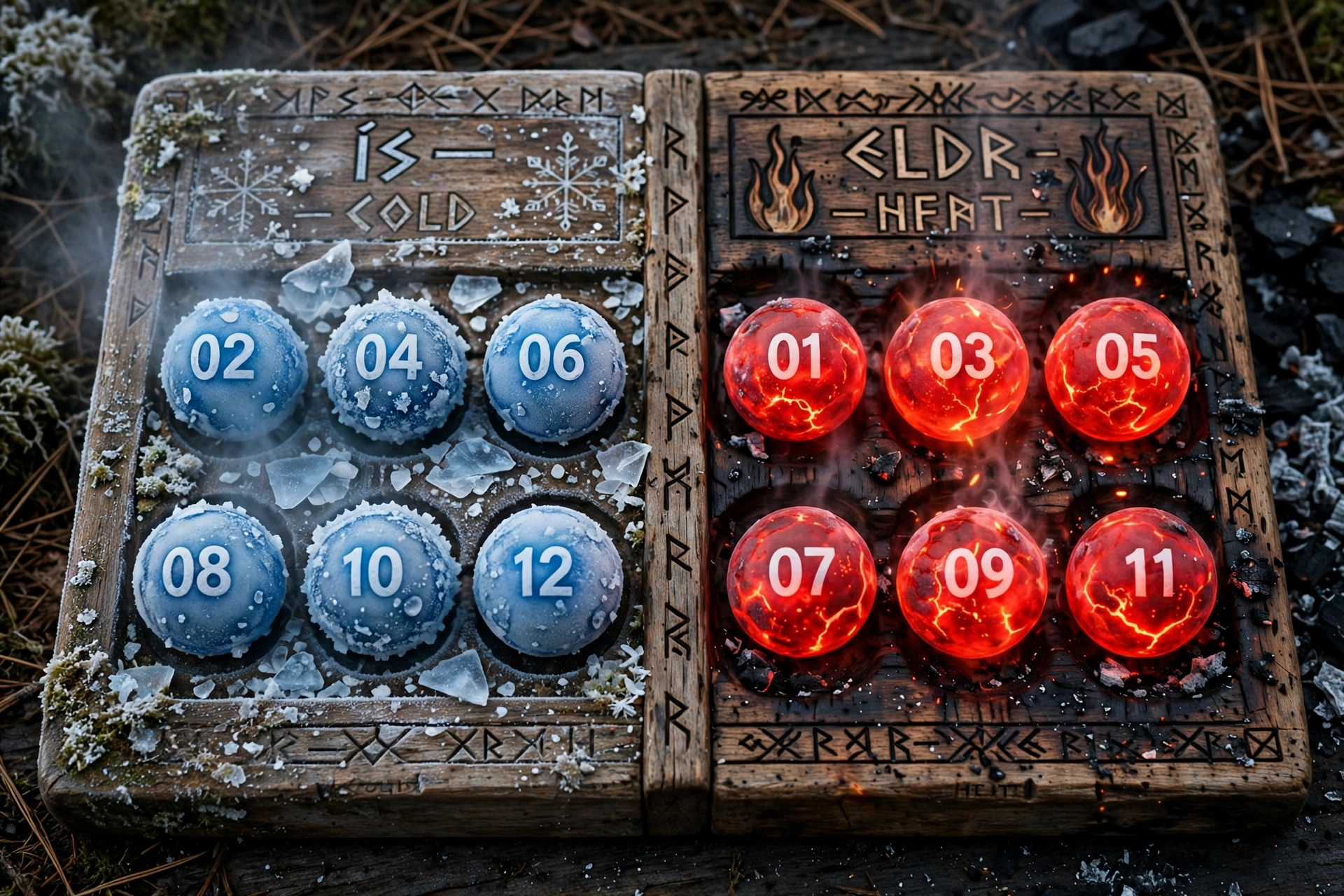
Hot and cold lists can be interesting, but they are descriptions of the past, not predictions of the future. If a number appears often in a short period, that is usually just normal variation in a random process, not a sign that the machine favours that number.
The Gambler’s Fallacy
The gambler’s fallacy is the belief that a random event is more likely to happen because it has not happened recently, or less likely because it has happened recently. In lotteries, it often sounds like this: “Number 7 has not come up in 20 draws, so it must be due.”
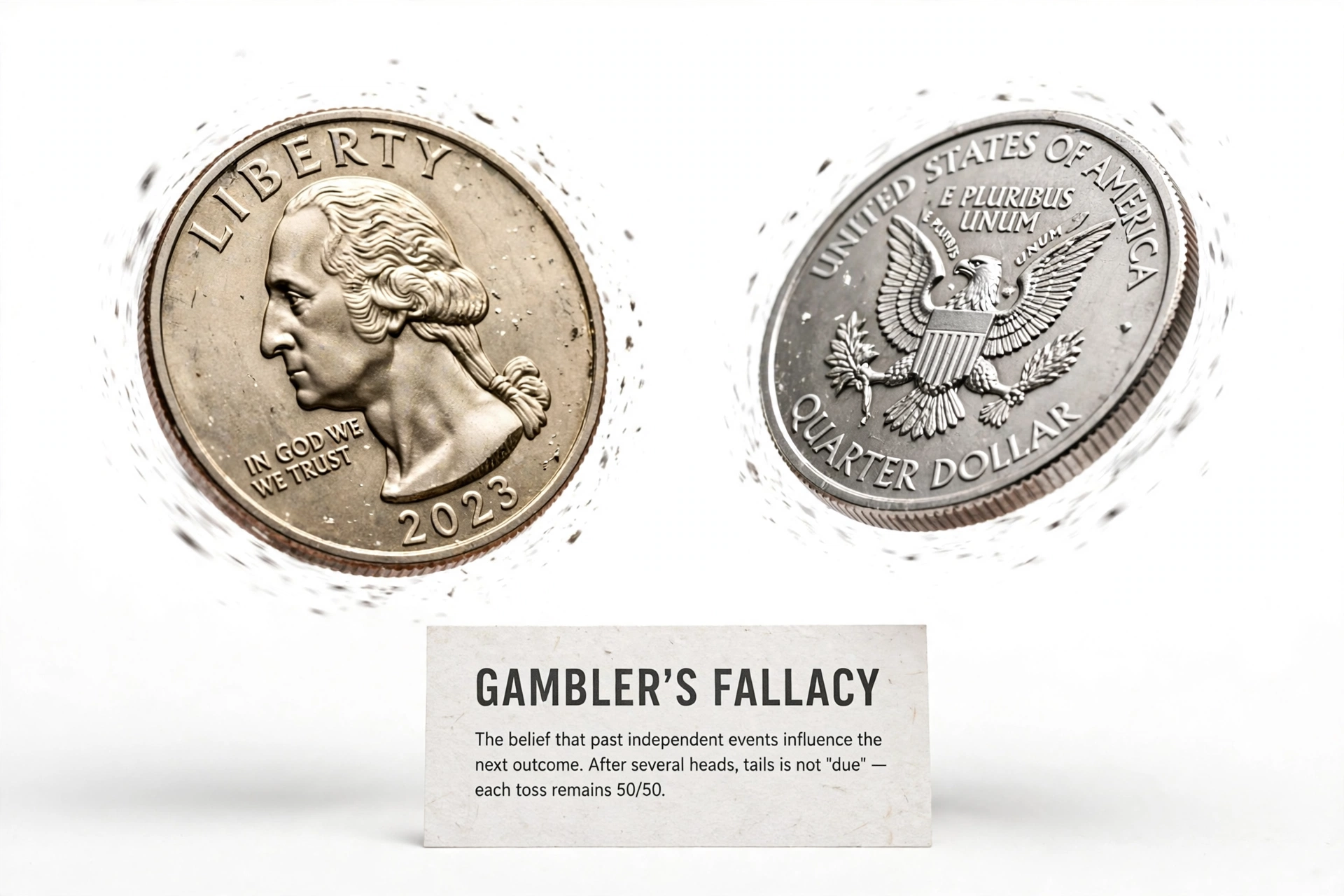
A coin toss shows why this is a fallacy. If you toss a coin and get heads five times in a row, the next toss is still a 50-50 chance. The coin does not “owe” you a tails. Lottery balls work the same way: each draw is independent, and the previous draws do not change the odds of the next one.
This fallacy is powerful because it feels like common sense. In everyday life, if something has not happened for a long time, it often becomes more likely. In a random draw, that everyday logic does not apply.
Birthday Numbers and Common Picks
Many players choose numbers based on birthdays, anniversaries, or other meaningful dates. That means numbers from 1 to 31 are chosen far more often than numbers above 31. This does not change the chance of those numbers being drawn, but it does change what happens if they are drawn.

If you pick only birthday numbers and those numbers win, you are more likely to share the prize with other players who picked the same popular numbers. Choosing less common numbers does not increase your chance of winning, but it can reduce the chance of sharing a prize if you do win.
The same applies to other popular patterns, such as sequences like 1, 2, 3, 4, 5, 6, or patterns that form a shape on the playslip. Those combinations have exactly the same chance of being drawn as any other combination, but they are more likely to be chosen by multiple players.
Patterns on the Playslip
Some players look for patterns on the playslip, such as diagonal lines, corners, or symmetrical shapes. Others avoid patterns, believing that a “random-looking” set of numbers is more likely to win.
Both approaches miss the same point: the draw does not care about the shape on your playslip. A set of numbers that forms a neat pattern has the same chance as a set that looks scattered. The only difference is how many other players might have chosen the same set.
If you enjoy choosing a pattern, there is no harm in doing so, as long as you understand that it does not improve your odds. The enjoyment comes from the ritual, not from any mathematical advantage.
Systems, Wheels, and Software
“Systems” that claim to predict lottery numbers are widely sold online, but none can change the odds of a random draw. Wheeling systems, which cover many combinations, do increase the number of tickets you play, and therefore increase your total chance of winning something, but they do so only because you are buying more tickets, not because the system is smarter.
Software that analyses past draws, finds “trends,” or claims to use artificial intelligence to predict numbers is also misleading. If the draw is truly random, no analysis of past results can predict future results. Any software that claims otherwise is selling a story, not a mathematical advantage.
Be especially careful with systems that charge a subscription or promise a guaranteed win. Lotteries are designed so that no player can guarantee a win, and any claim to the contrary should be treated as a warning sign.
What Actually Affects Your Chances
Only a few things actually affect your chances in a lottery, and none of them involve predicting numbers.
- How many tickets you buy: Buying two tickets instead of one doubles your chance, but the chance is still extremely small.
- Which game you play: Different games have different odds. A smaller game with fewer numbers usually has better odds than a large multi-state jackpot game, even though the prize is smaller.
- Whether you share a prize: Choosing less popular numbers does not change your chance of winning, but it can reduce the chance of sharing.
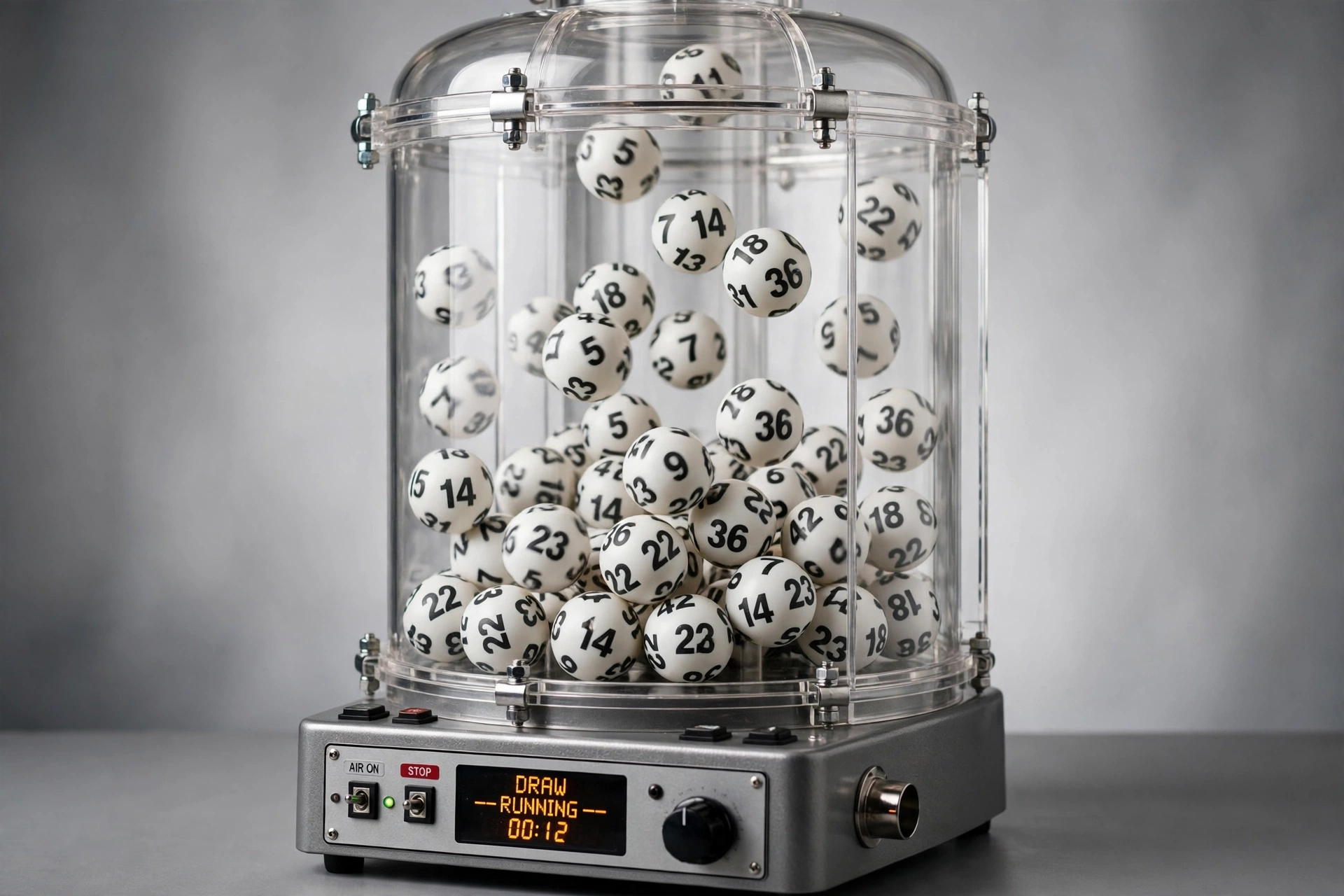
That is the full list. Past results, hot and cold numbers, birthday patterns, and prediction software do not appear on it, because they do not change the odds.
Understanding this can make playing more enjoyable, because you can choose numbers for fun, without worrying that you are missing a secret pattern. It can also help you avoid spending money on systems that promise more than they can deliver.
Frequently Asked Questions
Are hot numbers more likely to win?
No. In a random draw, every number has the same chance in every draw, regardless of how often it has appeared recently.
Are cold numbers due to appear?
No. A number that has not appeared for a while is not more likely to appear next. Each draw is independent.
Do birthday numbers reduce my chances?
No, they do not reduce your chance of winning, but they can increase your chance of sharing a prize, because many players choose the same numbers.
Can software predict lottery numbers?
No. If a draw is truly random, past results cannot predict future results, no matter how advanced the software claims to be.
Does buying more tickets help?
Yes, in a simple way: each additional ticket gives you another chance, but the overall chance of winning a large jackpot remains extremely small.
Should I use a Quick Pick or choose my own numbers?
It makes no difference to your odds. A Quick Pick generates a random combination, and a hand-picked combination has the same chance. Choose whichever you enjoy more.
For more on how to claim a prize safely, see our guide to lottery prize claim deadlines. For the odds behind large jackpots, see our guide to lottery jackpots and odds, and for an alternative way to choose numbers, see our guide to lottery number generators.
Britannica’s lottery guide says that the modern lottery is a form of gambling in which numbers are drawn at random, and Wikipedia’s page on lottery mathematics explains why each combination has an equal chance in a fair draw.
Video: Watch and Learn
Watch this short video to see why lottery patterns feel convincing, even though every draw is random.
Conclusion
Lottery number myths persist because they feel intuitive, but they do not survive a closer look at probability. Hot and cold numbers, the gambler’s fallacy, birthday patterns, and prediction systems all promise an edge that a random draw does not offer.
The best approach is to choose numbers you enjoy, understand that every combination has the same chance, and play only what you can afford to lose. If you play, do so only if you are 18 or older where required, play responsibly, and treat the lottery as entertainment, not as a way to make money.
Pingback: Lottery Wheeling Systems Explained: Full, Abbreviated & Key Wheels